


The Caregiver Chronicles: Profession
I hope you’re enjoying these new chronicles so far. I have to admit, I’m really liking them; they’re helping me not only vent but also learn about my situation, myself, and perhaps even help someone in the same situation. So if you don’t like them, well, too bad, hahaha… Just kidding, no worries, I’m doing this as a hobby, not a job, and that’s exactly what we’re going to talk about today—professions, careers, jobs, whatever you want to call them. So get your CV ready, and let’s go.
Today, I think I’ll get straight to the point without any lube first. I don’t think I need to introduce this topic since it is what it is. As caregivers, sometimes we forget that the person we care for had a personal and professional life; we think they’ve always been the way they are now. Each of us will eventually reach old age (if we’re lucky), and maybe someone will have to take care of us, and I think it’s very important that this person knows what we did, what our profession was, or whatever you want to call it.
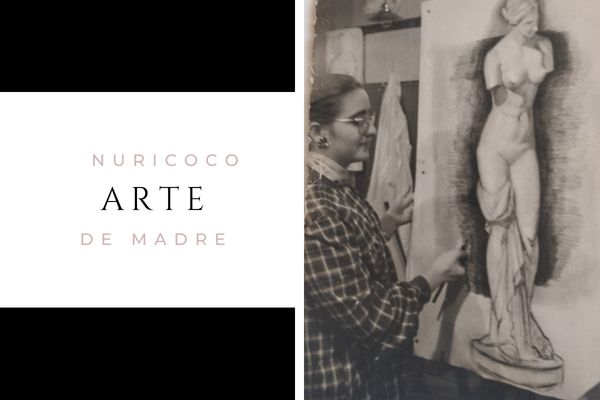
In the last chronicle about doctors, I told you how my mother was born with four fingers on each hand, but what I didn’t tell you, and what I want to tell you here, is that her profession had to do with exactly that… Her hands. My mother studied fine arts in Madrid and painted pictures all her life, even exhibiting many of them in various places. But her job was retouching negatives. What the heck is that, Nuria? Well, let me explain…
Before Photoshop, photos were retouched by modifying the negatives or with a brush and paint directly on the photos. I remember my mom working with a wooden box, a magnifying glass, a brush, and paints, and little by little, she’d fix each photo she was given. Opening the eyes of someone who had them closed, erasing something or someone who shouldn’t be there, adding more color to the photos, and any other kind of fix that each client asked for. She worked in Madrid, New Jersey, and Miami in different photo studios doing this kind of work. It’s incredible to think that, despite having only four fingers on each hand, she could have so much skill and precision to carry out such a task, and that very few people in the world have worked in this profession.
With all this, I just want to say that it’s important to remember the past of our elders, ask them about their jobs, what they liked, what they didn’t, what they would change, and try to help them relive some moments from their past when they had a purpose and felt valid. Each of us identifies with that thing that makes us unique and defines us as the person we are.
What about your parents and grandparents? What did they do for work? I look forward to reading your comments.


